How to choose respirators, protective masks, filters | darborubai.lt
How to Decide Which Respiratory Protection to Choose?
It is crucial to ensure that respiratory protection devices are suitable for the hazards in your work area. You can then decide which types of devices are needed. To determine if a device is suitable, answer the following questions:
- Is it safe to breathe in that environment without respiratory protection?
- Is the air contaminated with dust, gases, or vapors?
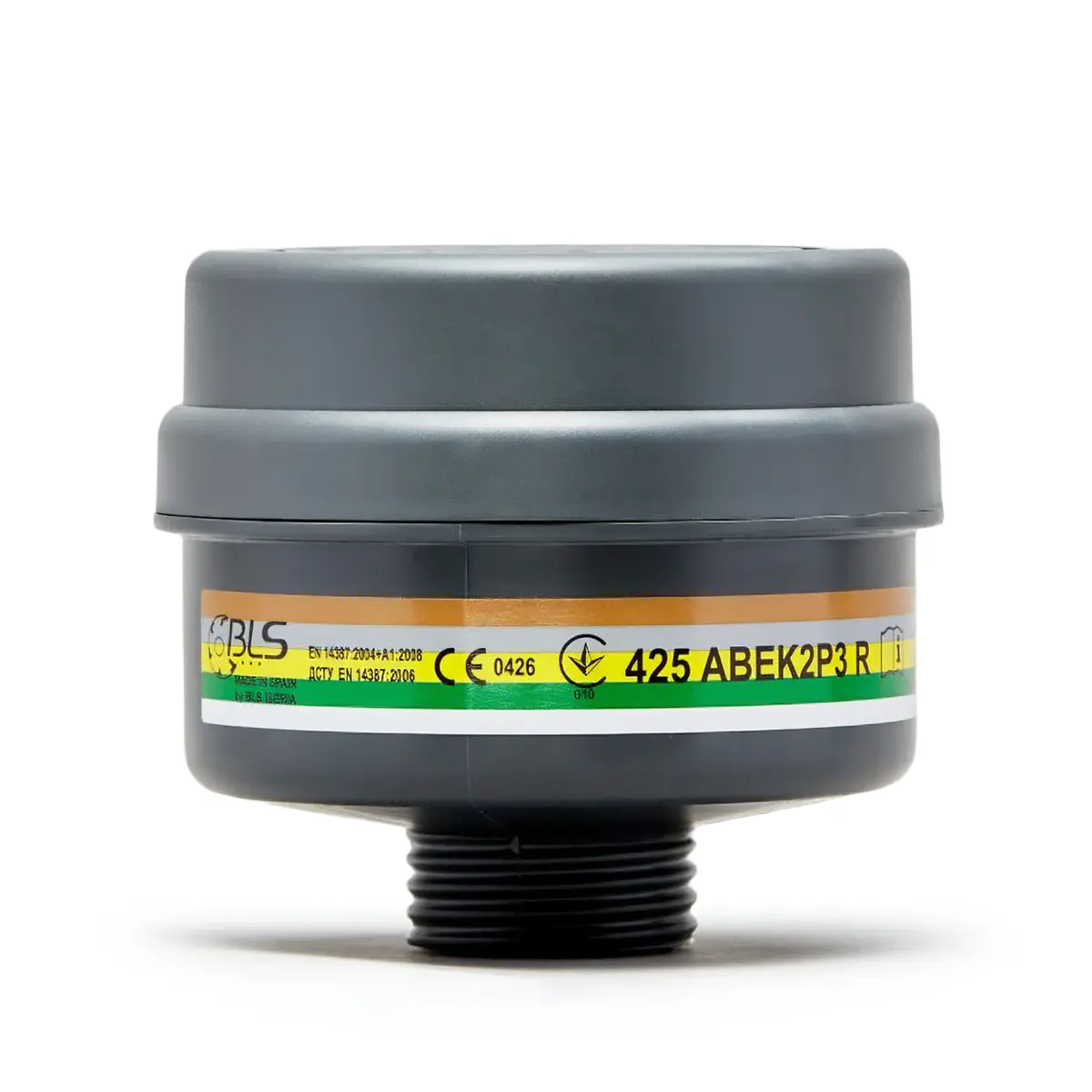
In most cases air in respirators is purified by a filter that removes harmful substances. Depending on the expected hazards, different types of filters may be used.
It is very important to choose the right filter. Using an incorrect type of filter can be very dangerous as it does not provide adequate protection.
- High-Performance Respirator - a full-face mask with an exhalation valve and filters, designed to protect against toxic dust, including asbestos. Note that blue asbestos particles are too small to be properly filtered.
- Disposable Respirator A mask made of filtering material covering the nose and mouth, sometimes with an integrated exhalation valve. These respirators only protect against harmful dust for a limited time.
Respirators do not protect against toxic gases and are mainly designed to protect against harmful or household dust. The effectiveness of a respirator depends on the filtering material. If it is missing, damaged, or worn out, the respirator does not provide protection.
- Use in High Temperatures Wearing some types of respirators for a long time in a warm environment can be uncomfortable.
- Using Dust-Protecting Respirators Always check if you are using the right respirator and filter before entering a dusty environment. Note that the area may also lack oxygen, which a respirator cannot protect against.
As filters in respirators get clogged with dust over time, breathing becomes more difficult. Replace filters according to the manufacturer’s recommendations (in an uncontaminated environment).
Protection Standards Classification
Why Are Protective Masks Needed?
Disposable protective masks ensure respiratory protection against threats posed by dust and airborne particles, such as various powders, aerosols, viruses, and bacteria. They filter harmful airborne particles. Disposable protective masks and respirators for respiratory protection come in three protection standards: FFP1, FFP2, and FFP3. FFP stands for “filtering face piece,” and the number indicates the protection level. You might also see abbreviated labels: P1, P2, and P3, which have the same meaning and protection level as the labels with the letter “F.”Each type of these masks describes their suitability for the “occupational exposure limit” (OEL) and the assigned protection factor (APF).
Three Main Types of Protective Masks and Respirators: FFP1, FFP2, and FFP3
FFP1 Protective Masks:
What Does the P1 Filter Protect Against?
Protects against low levels of dust.
Protects against solid and liquid aerosols.
OEL: Protects against substances at concentrations up to 4x.
APF: Protects against substances at concentrations up to 4x.
Filters at least 80% of airborne particles. Maximum inward leakage of 22%.
FFP1 standard masks are most often used when working in dusty environments: when renovating homes and performing various tasks.
FFP2 Protective Masks:
What Does the P2 Filter Protect Against?
Protects against moderate levels of dust.
Protects against solid and liquid aerosols.
Higher protection than FFP1.
OEL: Protects against substances at concentrations up to 12x.
APF: Protects against substances at concentrations up to 10x.
Filters at least 94% of airborne particles.
Maximum inward leakage of 8%.
FFP2 standard protective masks or respirators are mainly used in construction, agricultural work and by healthcare professionals fighting influenza viruses. They are currently being used to protect against coronavirus.
FFP3 Protective Masks:
What does a P3 filter protect against?
Protects against increased dust.
Protects against solid and liquid aerosols.
Higher level of protection than FFP1 and FFP2.
Can be used when working with hazardous powders in the pharmaceutical industry.
Recommended if there is any doubt about the required protection.
OEL: protects against substances at a concentration of 50x.
APF: protects against substances at 20x concentration.
Can be used as an asbestos mask.
Current European guidelines indicate the suitability of FFP3 protective masks (respirators) for managing viral and bacterial infections when the infection is spread by droplet transmission (coughing, sneezing, etc.).
Filters at least 99% of airborne particles. Penetration is at most 2%.
How to Use Respiratory Protection?
It is important to know how to use all types of respiratory protection devices. Your supervisor should conduct training that covers:
- The hazards and potential consequences of not using the devices.
- Why the chosen respirator is suitable for the specific hazard (i.e., what it protects against).
- The limitations of the devices.
- How to use the devices.
- The procedure for handling, fitting, and testing the devices.
Especially important, a full-face respirator must fit well. It should be sealed properly. Therefore, full-face respirators are not suitable for individuals with beards or those who wear glasses.
Before use, check the fit:
- Close the inhalation valve.
- Breathe in calmly so the mask slightly collapses and hold your breath for 10 seconds.
- If the mask remains slightly collapsed and no air penetration is detected, the fit is good.
- If air penetration is detected, adjust the mask and repeat the test; if air still penetrates, the mask is probably defective and should not be used. Do not overtighten the head straps – adjust them just enough to ensure a tight fit against the face.
- For hygiene reasons, it is preferable that each respirator is used by only one person. Additionally, the used respirator should be cleaned and disinfected immediately.
Note: Asbestos dust exposure can be fatal. Avoid prolonged close contact with it, even if using a respirator.
How to Maintain Respirators?
Storage. Respirators should be stored in their case, a clean metal box, or a clean polyethylene bag.
Inspection. Before use, all respirators should be inspected:
| Facepiece | Check for cracks, holes, or other damage. |
| Headgear | Check the seams for strength. |
| Valves | Inspect for damage and ensure they move freely and are securely attached. |
| Filters | Check for damage and secure attachment; ensure they are the correct type for the substances you will encounter. |
| Other Parts | Ensure they are securely attached and undamaged. |
Filter Replacement. Replace filters according to the manufacturer’s instructions or earlier if it becomes difficult to breathe with the respirator. Spare filter cartridges should be stored at room temperature in a dark, dry place. The shelf life of unused filters is up to 4 years.
Cleaning. Respirators must be clean and disinfected, and inspected after each use. Do not wash the filter; disassemble the device and wash the other parts with soap and water (not detergents or solvents). Clean and inspect the exhalation valve, and disinfect the entire device with a mild household liquid disinfectant. Do not replace the filter until the device is completely dry, but protect it from direct sunlight.
Maintenance and Repair. Maintenance and repair should only be carried out by experienced specialists, usually the manufacturer’s representatives. Do not attempt to repair even minor faults – only filter cartridge replacement is allowed.
